Audio Cables
217 products from 27 brands, including Hosa Technology, Worlds Best Cables, Kondor Blue. Prices from $11.95 to $2,110.95, including GST. 46 ship within 1-2 business days.
Audio cables connect microphones, instruments, mixers, recorders, speakers and other equipment. This category suits home studios, live sound setups, content creators and musicians needing a matching lead, adaptor or cable assembly. Choose from XLR, TRS, MIDI, RCA, mini-jack, instrument, breakout and speaker cables from brands including Hosa Technology, RODE, Sennheiser and Canare.
- Breakout Cables17
- Converters & Adaptors29
- Instrument Cables11
- Mic & XLR Cables63
- MIDI Cables9
- Mini-jack Cables8
- Multicore & Stage Boxes4
- Other Audio Cables29
- RCA Cables8
- Speaker Cables4
- TRS Cables29
Showing 1 to 24 of 217 results
-
 Sennheiser
 CL-100 3-pin XLR Male to 3.5mm Locking Jack Connector Cable
$18.95 incl. GST Ships in 1-2 business daysAdd to cart -
 Kondor Blue
 3-Pin XLR Male to 3-Pin XLR Female Audio Cable for On-Camera Mic (45cm)
$41.95 incl. GST Ships in 1-2 business daysAdd to cart -
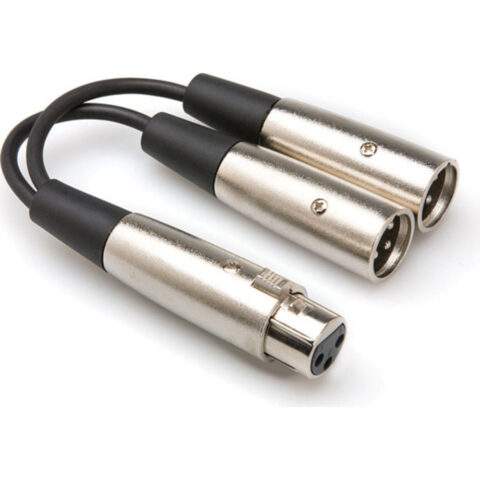 Hosa Technology
Hosa YXM-121 XLR Splitter Cable
$27.95 incl. GST Ships in 1-2 business daysAdd to cart -
 Hosa Technology
Hosa GHP-105 3.5mm TRS to 1/4" TRS Headphone Plug Adaptor
$13.95 incl. GST Ships in 2-3 business daysAdd to cart -
 RODE
Rode VXLR Plus - 3.5mm to XLR Adapter with Power Converter
$36.95 incl. GST Ships in 3-5 business daysAdd to cart -
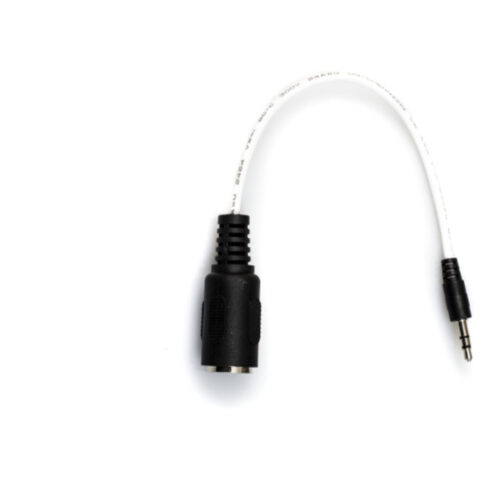 1010music
 MIDI Adapter Type B Male 3.5mm TRS to Female 5 pin DIN
$47.95 incl. GST Ships in 6-8 weeksAdd to cart -
 Hosa Technology
Hosa YMP-434 Stereo Mini (3.5mm) Female to 2x 1/4" Mono Male Y-Cable - 6"
$15.95 incl. GST Ships in 1-2 business daysAdd to cart -
 RODE
Rode SC2 3.5mm TRS Patch Cable
$30.95 incl. GST Ships in 1-2 business daysAdd to cart -
 Hosa Technology
Hosa HMP-006Y REAN 3.5mm TRS to Dual 1/4" TS Pro Stereo Breakout Cable - 6'
$38.95 incl. GST Ships in 2-3 business daysAdd to cart -
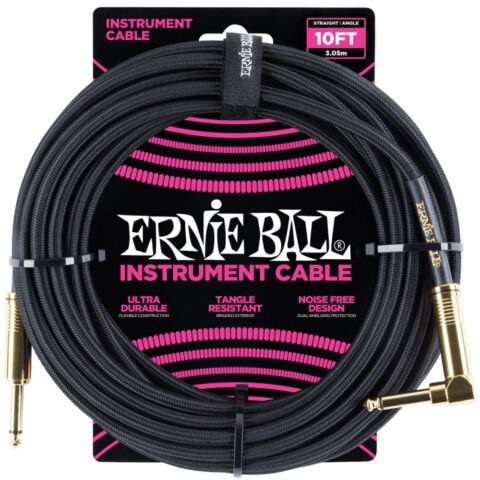 Ernie Ball
 10' Braided Straight / Angle Instrument Cable - Black
$52.95 incl. GST Ships in 6-8 weeksAdd to cart -
 Hosa Technology
Hosa HSS-005X2 Pro 1/4'' Cable 5ft (Dual)
$52.95 incl. GST Ships in 1-2 business daysAdd to cart -
 Kondor Blue
 Mini XLR to XLR for Blackmagic Pocket 4K/6K Camera (Blue, 40cm)
$40.95 incl. GST Ships in 1-2 weeksAdd to cart -
 Kondor Blue
 Right-Angle Mini-XLR Male to XLR Female Cable for BMPCC 6K Pro & Canon C70 (43cm)
$51.95 incl. GST Ships in 1-2 weeksAdd to cart -
 Hosa Technology
Hosa CPR-202 1/4' to RCA Cable 2m (Molded Plugs)
$22.95 incl. GST Ships in 2-3 business daysAdd to cart -
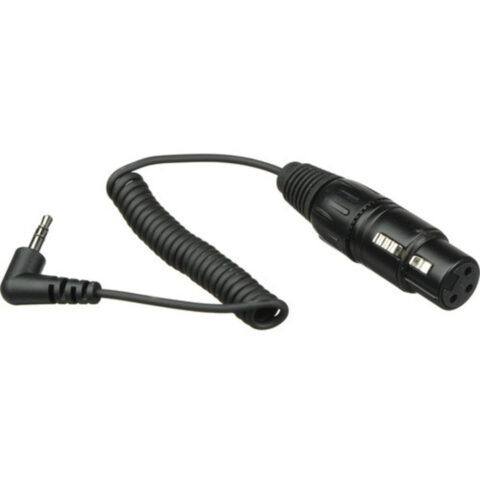 Sennheiser
 KA600 XLR Female to 1/8" TRS Male Connection Cable
$36.95 incl. GST Ships in 2-3 business daysAdd to cart -
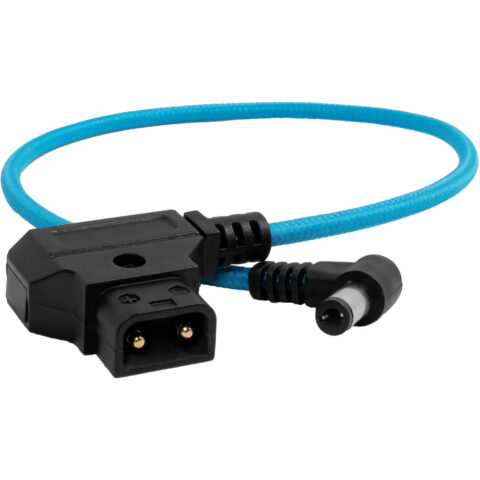 Kondor Blue
 Straight D-Tap to DC 2.5mm Right-Angle Cable (38cm)
$43.95 incl. GST Ships in 1-2 weeksAdd to cart -
 Sennheiser
 H-82370 1/4" Stereo Phone Screw On Adapter
$16.95 incl. GST Ships in 2-3 business daysAdd to cart -
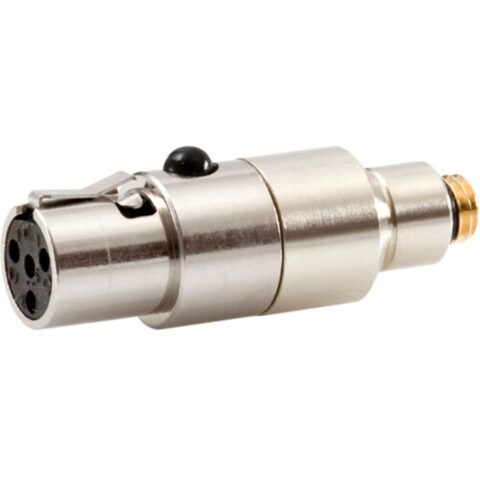 DPA Microphones
 DAD9010 MicroLock to TA4F Adapter
$162.95 incl. GST Ships in 2-3 business daysAdd to cart -
 Kondor Blue
 Ultra-Thin 3G-SDI Right-Angle BNC Cable (40cm)
$44.95 incl. GST Ships in 1-2 business daysAdd to cart -
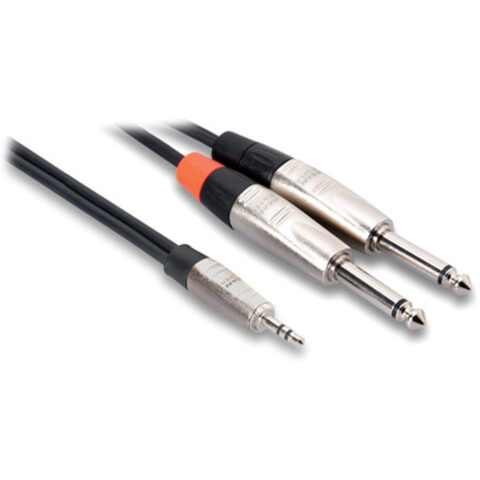 Hosa Technology
Hosa HMP-010Y REAN 3.5mm TRS to Dual 1/4" TS Pro Stereo Breakout Cable - 10'
$40.95 incl. GST Ships in 2-3 business daysAdd to cart -
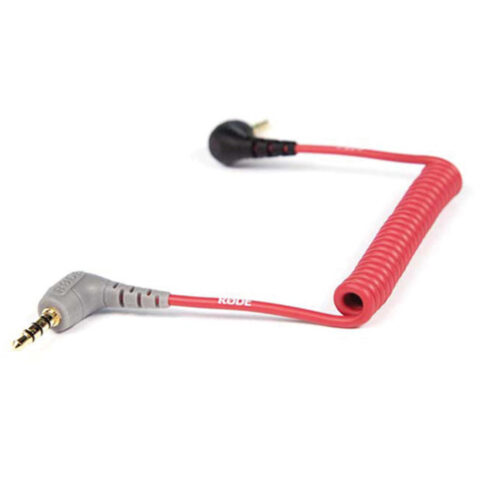 RODE
Rode SC7 3.5mm TRS to TRRS Patch Cable
$30.95 incl. GST Ships in 3-5 business daysAdd to cart -
 Hosa Technology
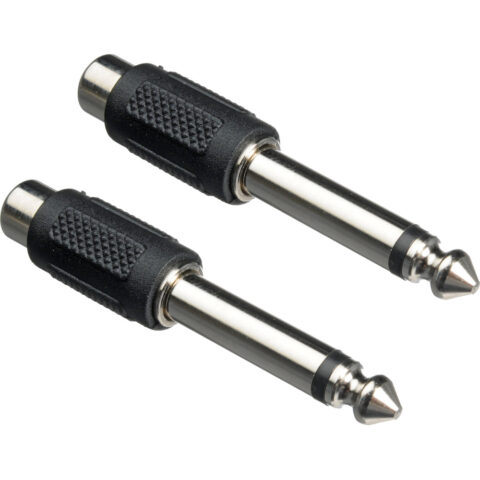
Hosa GPR-101 1/4'' to RCA Adapters
$11.95 incl. GST Ships in 2-3 business daysAdd to cart -
 Hosa Technology
Hosa XVM-101F 3.5mm Stereo Male to 3-pin XLR Female Angled Cable (0.3m)
$20.95 incl. GST Ships in 1-2 business daysAdd to cart -
 Worlds Best Cables
WORLDS BEST CABLES Pro-Quad Balanced XLR Cable with Amphenol XLR Connectors (3m)
$41.95 incl. GST Ships in 1-2 business daysAdd to cart
Related categories
Audio Cables brands
About the Audio Cables range
Start with the equipment at each end. Check the connector type, plug or socket gender, cable length and whether the signal is microphone, instrument, line or speaker level. XLR and TRS can carry balanced audio when both connected devices support it, helping reduce noise on longer runs. TS instrument cables and RCA or 3.5mm leads are generally unbalanced. For headphones, confirm whether you need 3.5mm or 6.35mm TRS. Choose a suitable length that reaches without excessive slack, and check for locking connectors, right-angle plugs or a durable cable jacket where the lead will move often.
Connector shape does not always determine how a cable works. A TRS plug may carry balanced mono audio or stereo, depending on the equipment. A 3.5mm TRS cable is not automatically compatible with a camera, microphone or headset that uses TRRS, locking connectors or plug-in power. MIDI leads also require the correct connection type, including 5-pin DIN or 3.5mm TRS Type A or Type B. Use converters or adaptors only after confirming the signal and wiring. The range is organised by connector and application, making it easier to compare XLR, adaptors, instrument, MIDI, RCA and mini-jack options.
Audio Cables questions
What is the difference between an XLR cable and a TRS cable?
Both can carry balanced audio when the connected equipment supports balanced inputs and outputs. XLR uses a locking three-pin connector and is common for microphones and professional audio. TRS means tip, ring and sleeve, and is available in 3.5mm or 6.35mm formats for balanced connections, headphones and other equipment.
Can I use a TRS cable for headphones?
Usually, but check the plug size and equipment connection first. Headphone outputs commonly use stereo TRS, with the tip and ring carrying left and right channels. A balanced TRS output may use different wiring, so do not connect headphones to an unfamiliar balanced socket without checking the device manual.
What cable do I need to connect a microphone to a camera?
Check the camera input and microphone output. A microphone with an XLR output may need an XLR to 3.5mm cable or an adaptor such as a RODE VXLR Plus, depending on the camera and microphone requirements. Confirm locking connectors, plug-in power and whether the camera input accepts the microphone signal.