Trail Cameras
6 products from 3 brands, including SpyPoint, Browning, Bushnell. Prices from $211.95 to $366.95, including GST. 4 ship within 1-2 business days.
Trail cameras are designed for monitoring wildlife, property and remote sites without regular observation. Choose from Browning, Bushnell and SpyPoint models for stills, video, time-lapse or cellular image transmission. They suit landholders, wildlife observers, pest monitoring and outdoor users who need a camera that can operate day and night in exposed locations.
Showing all 6 results
-
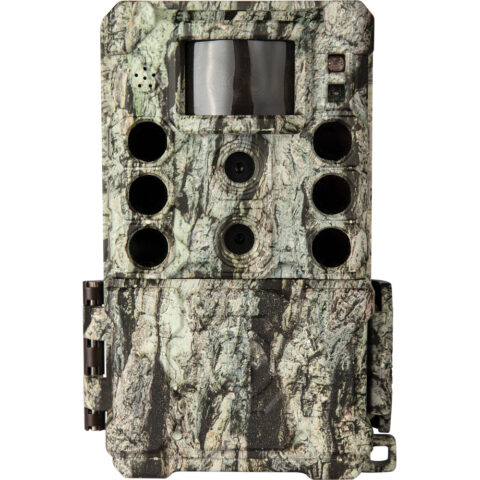 Bushnell
 Core DS-4K No-Glow Trail Camera (Camo)
$356.95 incl. GST Ships in 1-2 weeksAdd to cart -
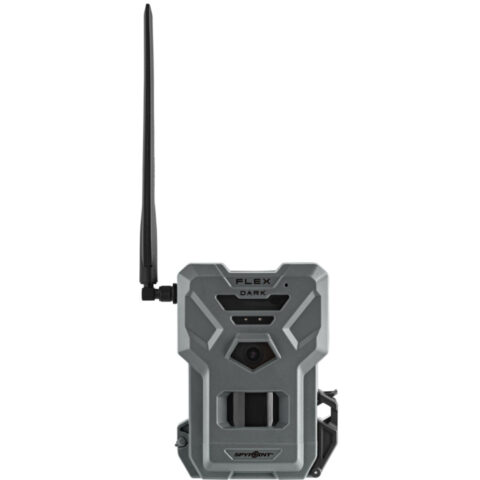 SpyPoint
Spypoint Flex-Dark Cellular Trail Camera
$211.95 incl. GST Ships in 1-2 business daysAdd to cart -
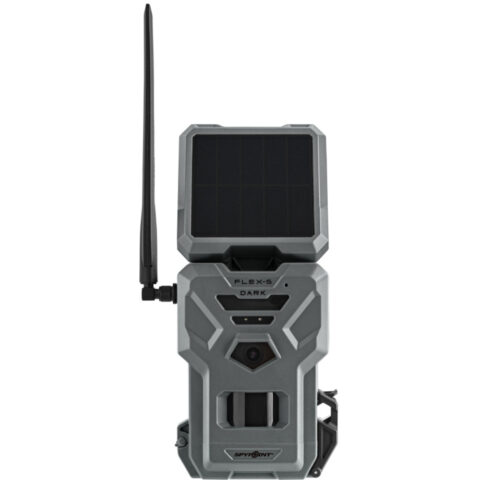 SpyPoint
Spypoint Flex-S Dark Cellular Trail Camera
$308.95 incl. GST Ships in 3-4 weeksAdd to cart -
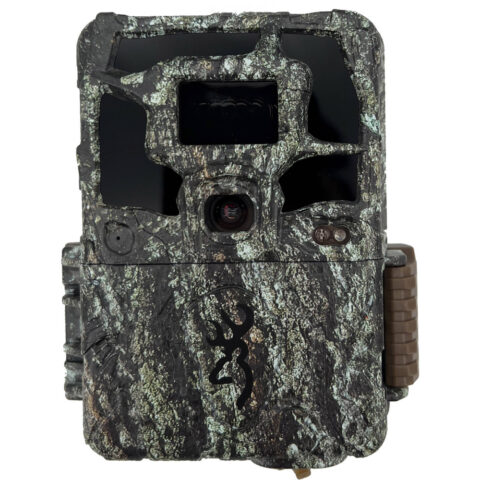 Browning
 Dark Ops Pro X 1080 Trail Camera
$366.95 incl. GST Ships in 1-2 business daysAdd to cart -
 SpyPoint
Spypoint Force-Pro-S 2.0 Trail Camera with Solar Panel
$240.95 incl. GST Ships in 1-2 business daysAdd to cart -
 Browning
 Dark Ops Full HDR 40MP Trail Camera
$289.95 incl. GST Ships in 1-2 business daysAdd to cart
Related categories
Trail Cameras brands
About the Trail Cameras range
Compare photo and video resolution, trigger speed, detection range and night vision. Higher resolution can help when cropping still images, while a fast trigger is useful for animals moving quickly through the detection zone. No-glow infrared is less visible to wildlife and people at night. Check the flash range against the area you need to cover, then consider battery type, expected trigger frequency, weather protection and whether the camera supports an external or integrated solar panel.
The range includes standard wildlife cameras and cellular trail cameras. Cellular models need suitable mobile coverage and may require a compatible SIM, network service and an app or account. Confirm local coverage before mounting the camera, especially on rural properties. Check whether batteries, memory cards, solar panels and mounting accessories are included. A camera's detection distance is not the same as its night-vision distance, and advertised megapixels do not alone determine image quality.
Trail Cameras questions
Do cellular trail cameras work anywhere in Australia?
Cellular trail cameras need compatible mobile network coverage at the installation site. Rural and remote locations can have weak or unavailable service, so check coverage before buying. You may also need a suitable SIM, data plan and the manufacturer's app or account to receive images remotely.
Are no-glow trail cameras better for wildlife?
No-glow cameras use infrared illumination that is less visible when the camera takes night images. This can help reduce disturbance or the chance of revealing the camera position. Compare the stated infrared range with your subject distance, because no-glow performance varies between models.
How long do trail camera batteries last?
Battery life depends on the model, battery type, temperature, mobile transmissions, video use and how often the camera is triggered. Cellular cameras can use more power when sending images. For longer unattended installations, choose a model with efficient power management or solar support where compatible.