Roll & Sheet Film
14 products from 2 brands, including Kodak, Ilford. Prices from $16.95 to $182.95, including GST. 4 ship within 1-2 business days.
Roll & Sheet Film covers photographic film for compatible cameras, including 35mm roll film and larger roll or sheet formats where specified. Choose it for analogue photography, home developing, scanning, darkroom printing or film lab processing. Kodak and Ilford options suit everyday shooting, portraits, travel, creative projects and black and white work.
Showing all 14 results
-
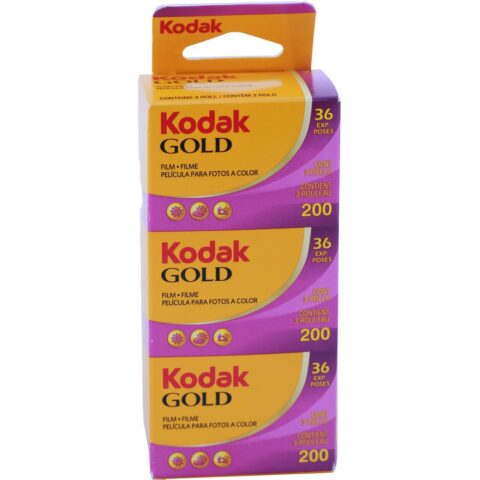 Kodak
Kodak GOLD 200 Color Negative Film (35mm Roll Film, 36 Exposures, 3-Pack)
$56.95 incl. GST Ships in 1-2 weeksAdd to cart -
 Kodak
Kodak UltraMax 400 Color Negative Film (35mm Roll Film, 36 Exposures, 3-Pack)
$63.95 incl. GST Ships in 1-2 business daysAdd to cart -
 Kodak
Kodak Professional Portra 400 Color Negative Film (35mm Roll Film, 36 Exposures, 5 Pack)
$182.95 incl. GST Ships in 1-2 weeksAdd to cart -
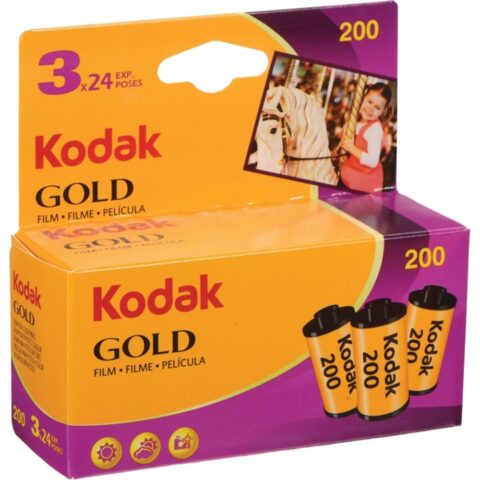 Kodak
Kodak GOLD 200 Color Negative Film (35mm Roll Film, 24 Exposures, 3-Pack)
$45.95 incl. GST Ships in 1-2 business daysAdd to cart -
 Kodak
Kodak Eastman UltraMax 400 Color Negative Film (35mm Roll Film, 36 Exposures, 3-Pack)
$53.95 incl. GST Ships in 1-2 weeksAdd to cart -
 Kodak
Kodak Eastman GOLD 200 Color Negative Film (35mm Roll Film, 36 Exposures, 3-Pack)
$52.95 incl. GST Ships in 1-2 business daysAdd to cart -
 Kodak
Kodak GOLD 200 Color Negative Film (35mm Roll Film, 36 Exposures)
$18.95 incl. GST Ships in 1-2 weeksAdd to cart -
 Kodak
Kodak GOLD 200 Color Negative Film (35mm Roll Film, 24 Exposures)
$16.95 incl. GST Ships in 1-2 business daysAdd to cart -
 Kodak
Kodak GC/UltraMax 400 Color Negative Film (35mm Roll Film, 24 Exposures, 3-Pack)
$52.95 incl. GST Ships in 1-2 weeksAdd to cart -
 Kodak
Kodak Professional Ektar 100 Color Negative Film (35mm Roll Film, 36 Exposures)
$34.95 incl. GST Ships in 1-2 weeksAdd to cart -
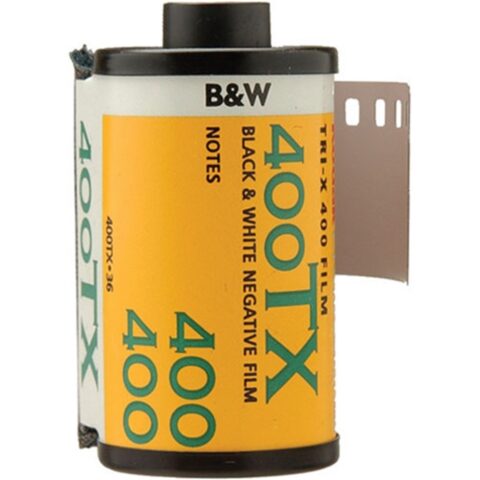 Kodak
Kodak Professional Tri-X 400 Black and White Negative Film (35mm Roll Film, 36 Exposures)
$18.95 incl. GST Ships in 1-2 weeksAdd to cart -
 Kodak
Kodak Eastman Gold 200 Color Negative Film (120 Roll Film, 5-Pack)
$80.95 incl. GST Ships in 1-2 weeksAdd to cart -
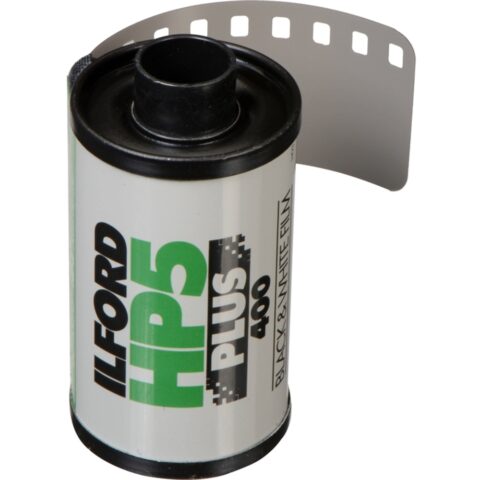 Ilford
 HP5 Plus Black and White Negative Film (35mm Roll Film, 36 Exposures)
$21.95 incl. GST Ships in 2-3 business daysAdd to cart -
 Kodak
Kodak Professional Ektar 100 Color Negative Film (120 Roll Film, 5 Pack)
$133.95 incl. GST Ships in 1-2 weeksAdd to cart
Related categories
Roll & Sheet Film brands
About the Roll & Sheet Film range
Start with the film format your camera accepts. 35mm film, also called 135 film, uses a cassette and is commonly listed by exposure count, such as 24 or 36 exposures. Roll film, such as 120, is wider and requires a medium format camera. Sheet film is individual flat pieces for compatible large format backs and holders. Then compare colour or black and white, ISO speed and intended lighting. ISO 200 suits daylight, while ISO 400 gives more flexibility in shade, interiors and faster shutter speeds. Check whether the film needs C-41, black and white or another process before buying.
Check your camera manual before ordering, particularly if it accepts 35mm, 120 roll film or sheet film. A 35mm camera cannot use 120 film, and a roll film camera cannot use sheet film without the correct holder or back. Exposure count is per roll, not necessarily the number of products in a pack. Confirm whether the listing is a single roll or multipack, and check colour negative, colour reversal or black and white type. This range is organised under Roll & Sheet Film, with product details showing format, ISO, exposures and pack contents. Store unused film cool, dry and away from heat and strong light.
Roll & Sheet Film questions
What film do I need for a 35mm camera in Australia?
Look for 35mm roll film, also called 135 film. Check the product listing for the required ISO, colour or black and white type, and exposure count. Kodak 35mm examples in this range include 24 and 36 exposure rolls. Do not select 120 or sheet film unless your camera specifically supports that format.
Is ISO 200 or ISO 400 film better?
Neither is universally better. ISO 200 is suited to brighter daylight and can provide fine grain at the correct exposure. ISO 400 is more flexible in overcast conditions, shade, indoors or when you need faster shutter speeds. Your camera meter, lighting and preferred appearance should guide the choice.
Can I use film after it has expired?
Expired film may still produce an image, but colour, contrast, grain and exposure can become less predictable, especially if it was stored poorly. Check the expiry information and storage guidance where provided. For consistent results, use in-date film and have it processed using the method specified for that film.