Radio & Optical Slaves
12 products from 2 brands, including Godox, Hahnel. Prices from $66.95 to $172.95, including GST.
Radio and optical slaves let you fire and control an off-camera flash or compatible light without a sync cable. They suit portrait, product, event and studio photographers who need more flexible lighting positions. This range includes Godox and Hahnel options, with radio triggers, receivers and optical slave equipment for compatible camera and flash systems.
Showing all 12 results
-
 Godox
Godox X3Pro C Touchscreen TTL Wireless Flash Trigger for Canon
$172.95 incl. GST Ships in 3-5 business daysAdd to cart -
 Godox
Godox X2T-C TTL Wireless Flash Trigger for Canon
$80.95 incl. GST Ships in 3-5 business daysAdd to cart -
 Godox
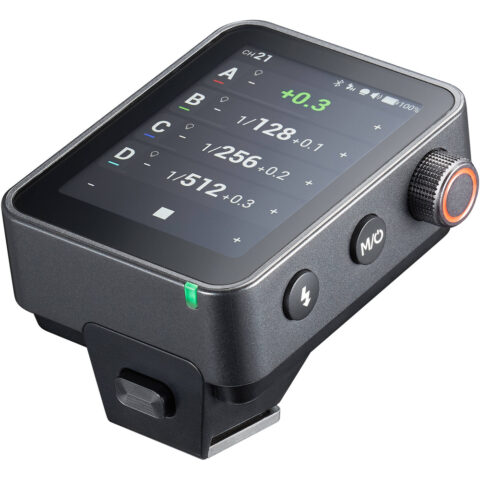
Godox X3Pro S Touchscreen TTL Wireless Flash Trigger for Sony
$172.95 incl. GST Ships in 3-5 business daysAdd to cart -
 Godox
Godox X2T-S TTL Wireless Flash Trigger for Sony
$80.95 incl. GST Ships in 3-5 business daysAdd to cart -
 Godox
Godox X3Pro N Touchscreen TTL Wireless Flash Trigger for Nikon
$172.95 incl. GST Ships in 3-5 business daysAdd to cart -
 Godox
Godox XPro II TTL Wireless Flash Trigger for Canon Cameras
$143.95 incl. GST Ships in 3-5 business daysAdd to cart -
 Godox
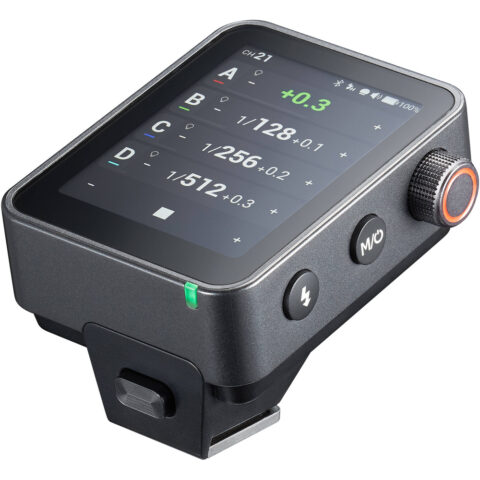
Godox X3Pro F Touchscreen TTL Wireless Flash Trigger for FUJIFILM
$172.95 incl. GST Ships in 3-5 business daysAdd to cart -
 Godox
Godox XR TTL Wireless Receiver for Canon & Nikon
$66.95 incl. GST Ships in 3-5 business daysAdd to cart -
 Godox
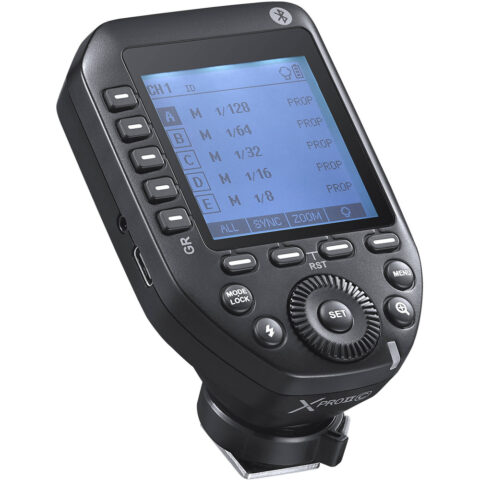
Godox XPro II TTL Wireless Flash Trigger for Sony Cameras
$143.95 incl. GST Ships in 3-5 business daysAdd to cart -
 Godox
Godox X2T-N TTL Wireless Flash Trigger For Nikon
$80.95 incl. GST Ships in 3-5 business daysAdd to cart -
 Godox
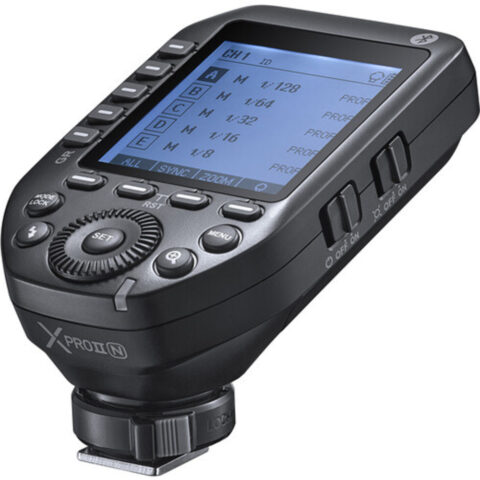
Godox XPro II TTL Wireless Flash Trigger for Nikon Cameras
$143.95 incl. GST Ships in 3-5 business daysAdd to cart -
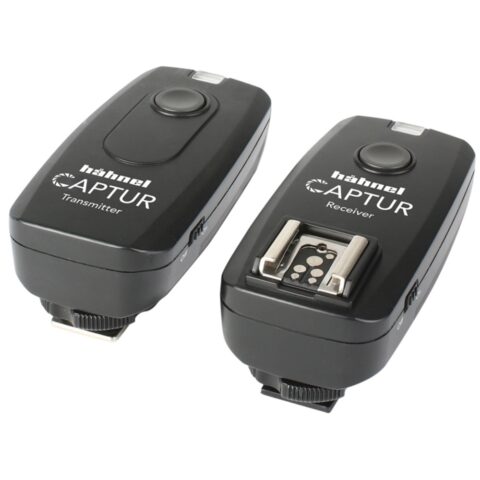 Hahnel
 Captur Remote Control and Flash Trigger for Select Canon Cameras
$68.95 incl. GST Ships in 4-6 weeksAdd to cart
Related categories
Radio & Optical Slaves brands
About the Radio & Optical Slaves range
Choose between a transmitter for the camera, a receiver for a flash, or a unit that combines both functions. Check whether you need TTL automatic exposure, manual power control, high-speed sync, front or rear curtain sync, remote power adjustment, groups and channels. Radio systems generally offer more consistent operation around obstacles than optical triggering. Also check the stated transmission range, hot-shoe or sync-port connection, battery type and whether the trigger supports your flash model.
Compatibility is the main buying consideration. Select the camera-specific version, such as Canon, Nikon or FUJIFILM, when you need TTL or HSS communication. A trigger may fire another brand's flash manually, but TTL and HSS usually require matching system support. Check the flash's receiver options, connection socket and firmware requirements before ordering. The range is organised around radio transmitters, wireless receivers and optical slave functions, including Godox X-system accessories and the Godox XR receiver for compatible Canon and Nikon setups.
Radio & Optical Slaves questions
Do I need a wireless flash trigger or a receiver?
The transmitter mounts on your camera and sends the firing command. A receiver connects to a flash that does not have the required built-in radio receiver. Some compatible flashes include a receiver, so check the flash specifications before buying a separate unit.
Are radio triggers better than optical slaves?
Radio triggering usually works more reliably when the flash is out of sight, behind the camera or separated by obstacles. Optical slaves rely on light from another flash and require a clear, suitable line of sight. Optical triggering can still suit simple multi-light setups and compatible older flashes.